Product research
We study your audience, review interfaces and flows, find product barriers and test hypotheses with users.
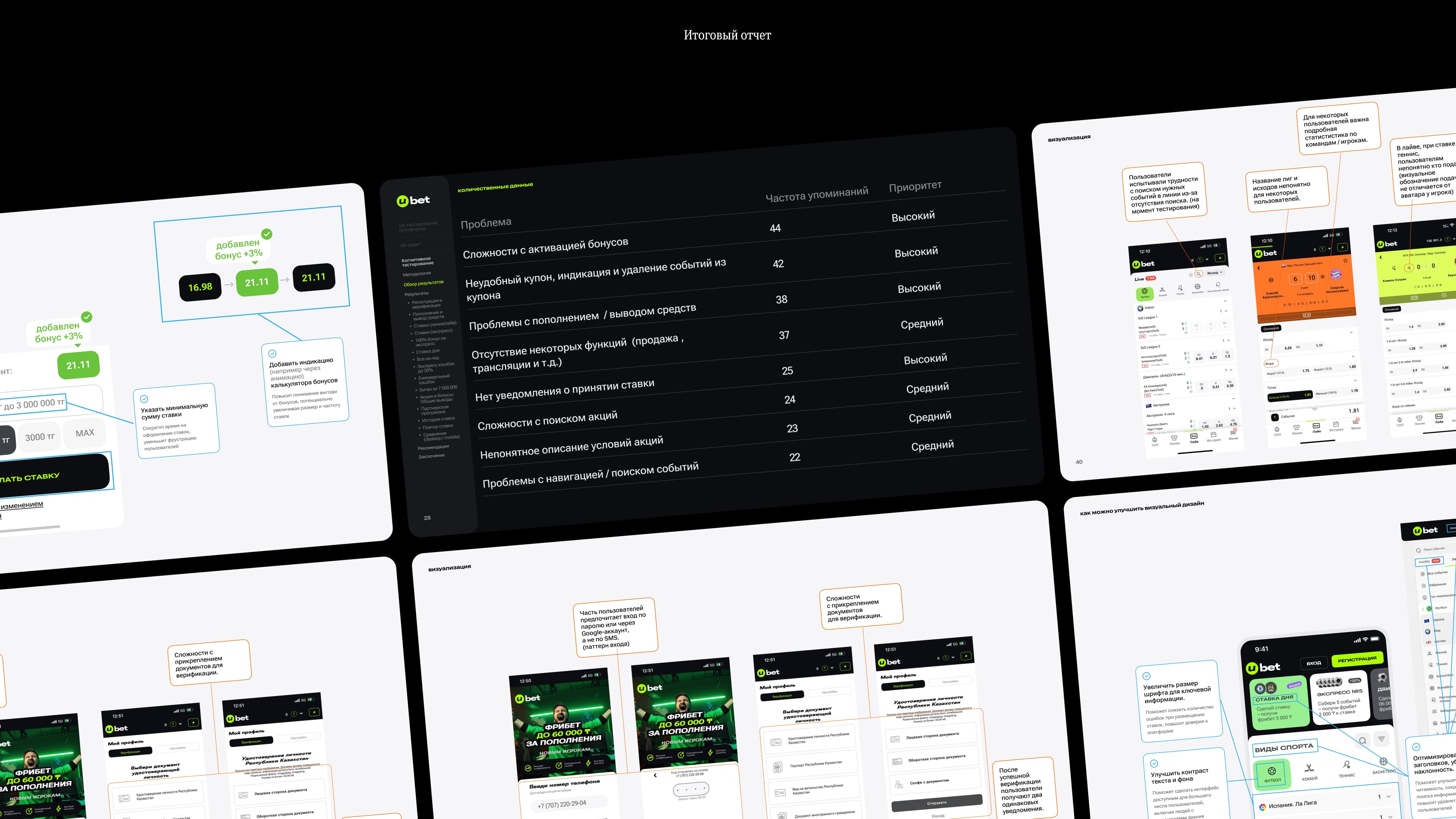
Ubet: UX audit and 50 sessions
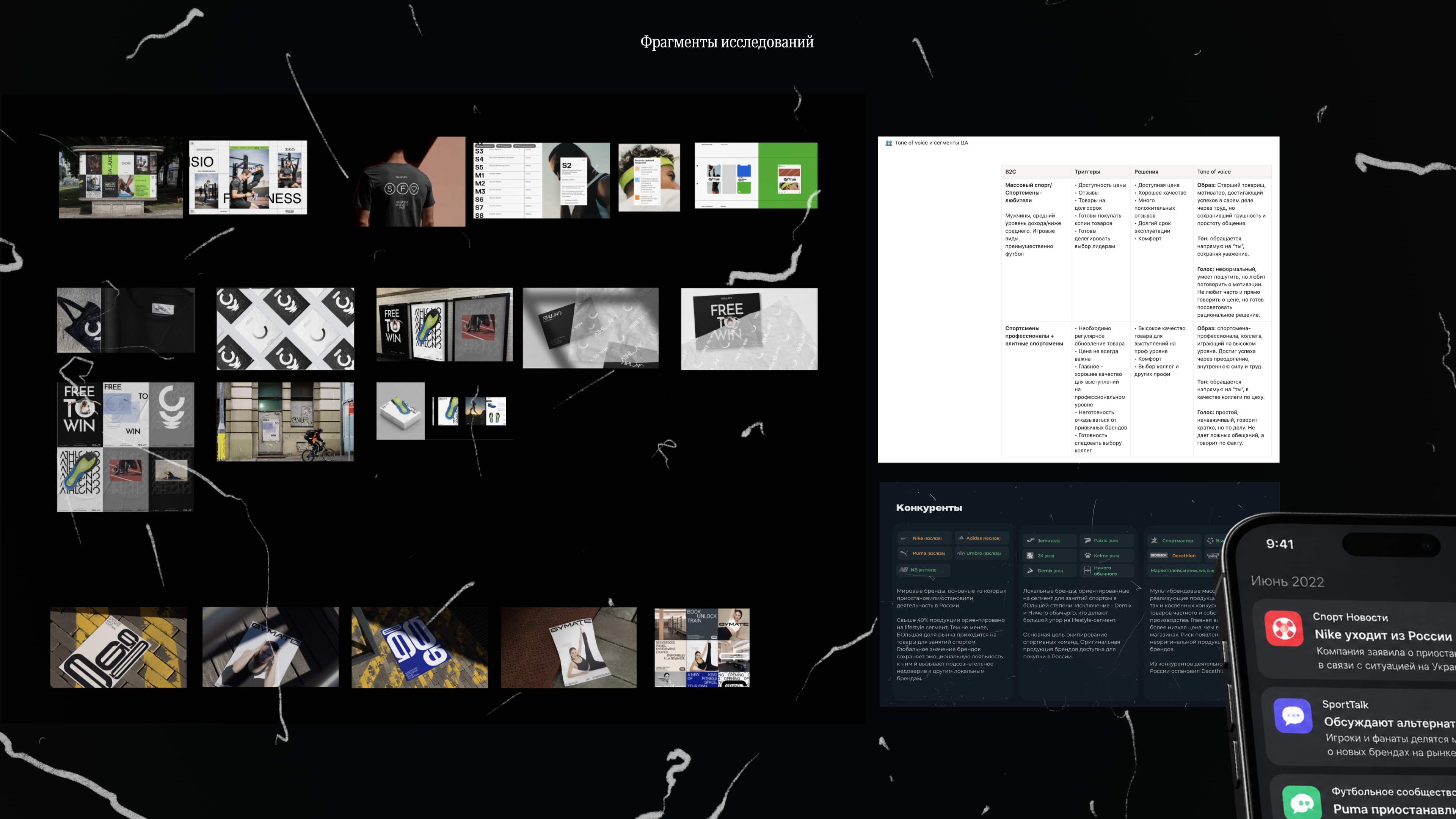
We step in when
We review the interface, analytics and user journey to pinpoint where and why drop-offs happen.
What the process looks like
Briefing
We frame the business request and the decision your team needs to make, then agree on scope, methods, study boundaries and an owner on your side.
Preparation
We collect access to the product and data, define scenarios and put together the study plan. For user sessions, we prepare a screening questionnaire, shared observation rules and organise participant selection from your base or via external recruiting.
Execution
We run a UX audit, analyse data and competitors, and conduct interviews and user sessions.
Findings
We consolidate observations and separate isolated opinions from recurring issues. Then we structure findings, formulate recommendations, set priorities and walk through results with your team.
Research methods
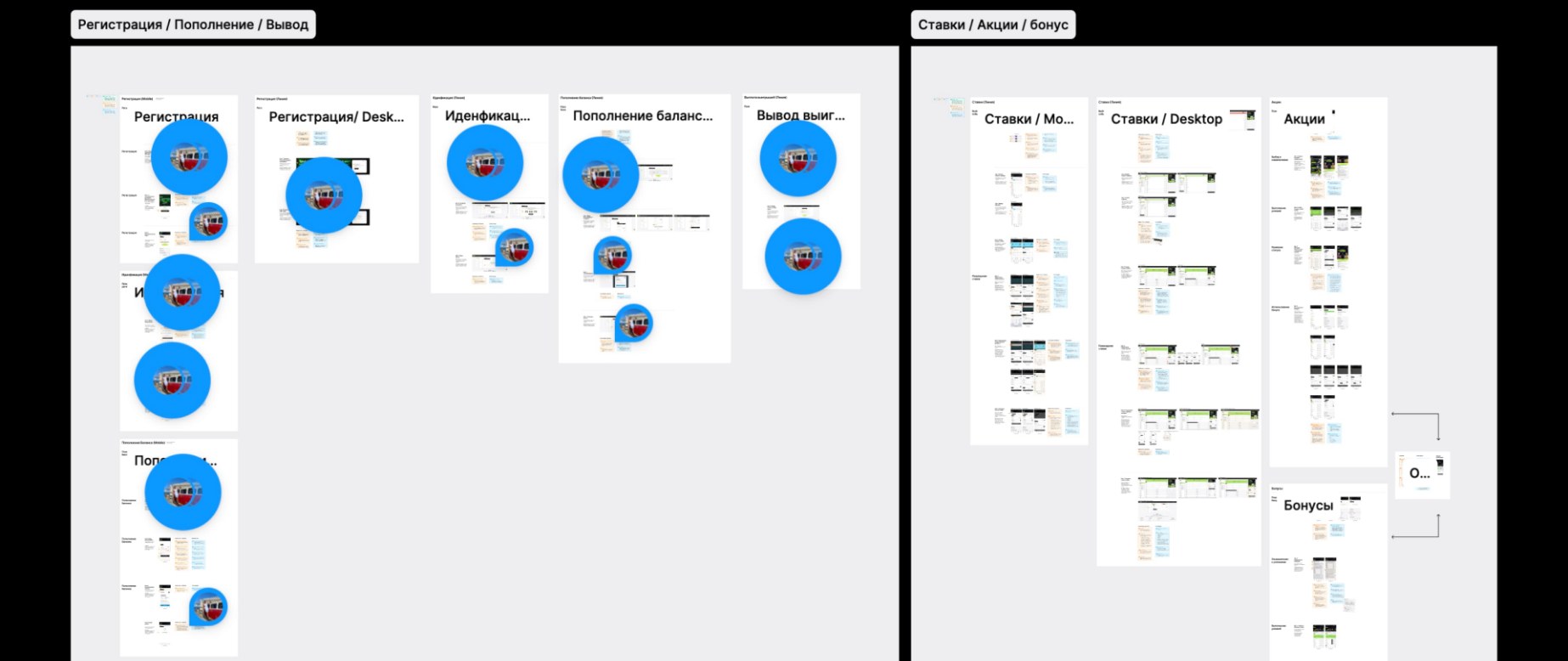
We review scenario logic, individual screens, navigation, information hierarchy, copy, forms and interface states, documenting issues and hypotheses for product updates and follow-up testing.
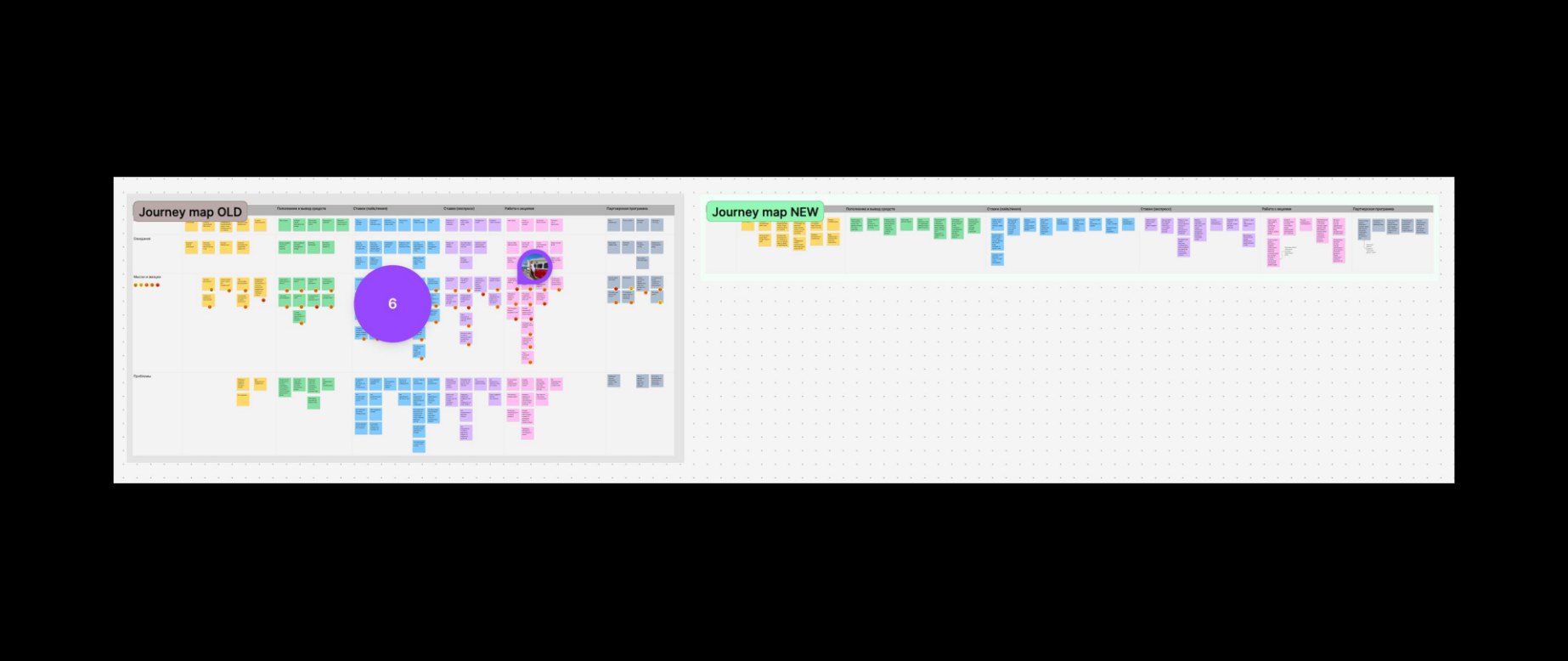
We study funnels, product analytics, session recordings, reviews and support requests, documenting drop-off points, recurring complaints and hypotheses to validate.
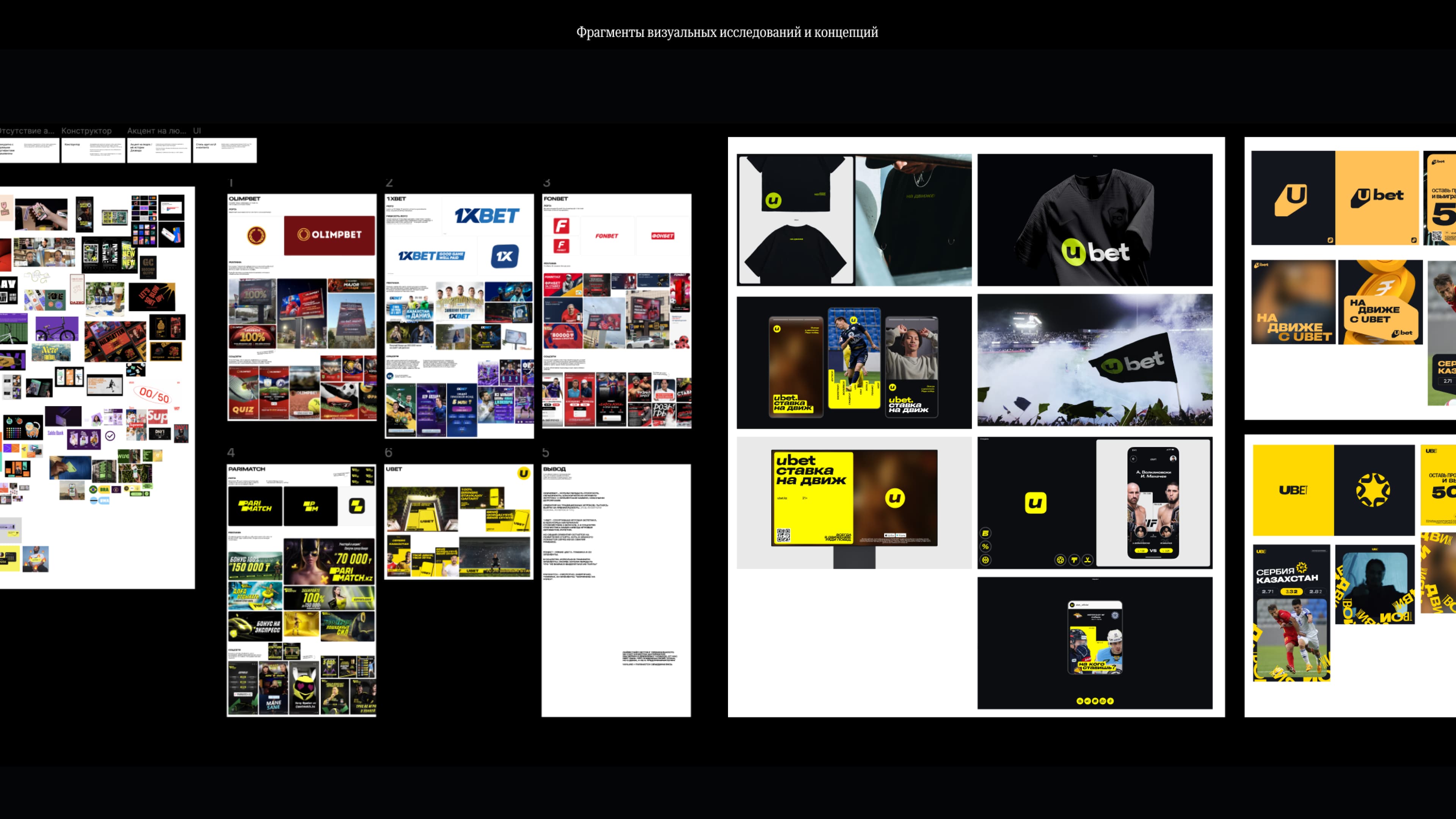
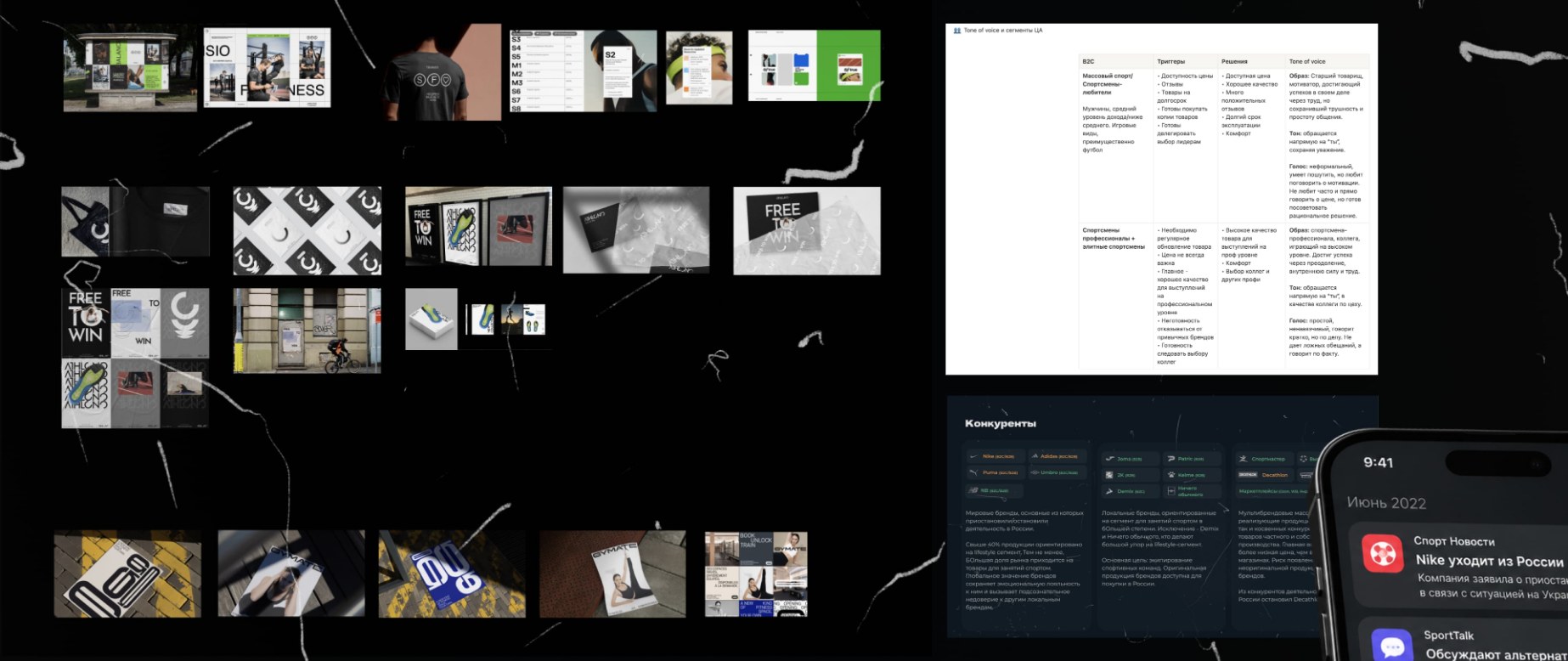
We review strong and weak solutions across direct and adjacent competitors and highlight familiar user patterns, documenting facts, competitor gaps and product hypotheses.
We speak one on one with current and prospective users, documenting usage context, selection criteria, expectations and barriers.
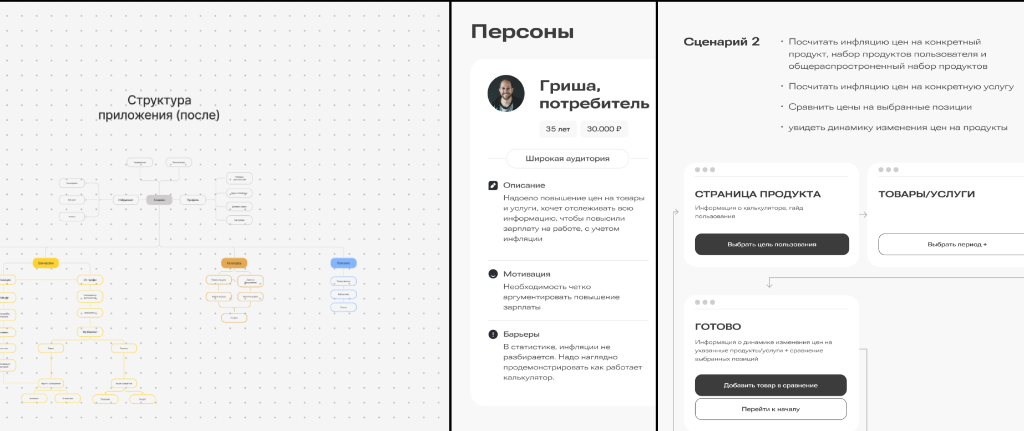
We test your product or prototype in moderated sessions, documenting how people navigate screens, read information, complete flows and where errors or confusion occur.
What you get
A prioritised list of identified issues and recommendations.
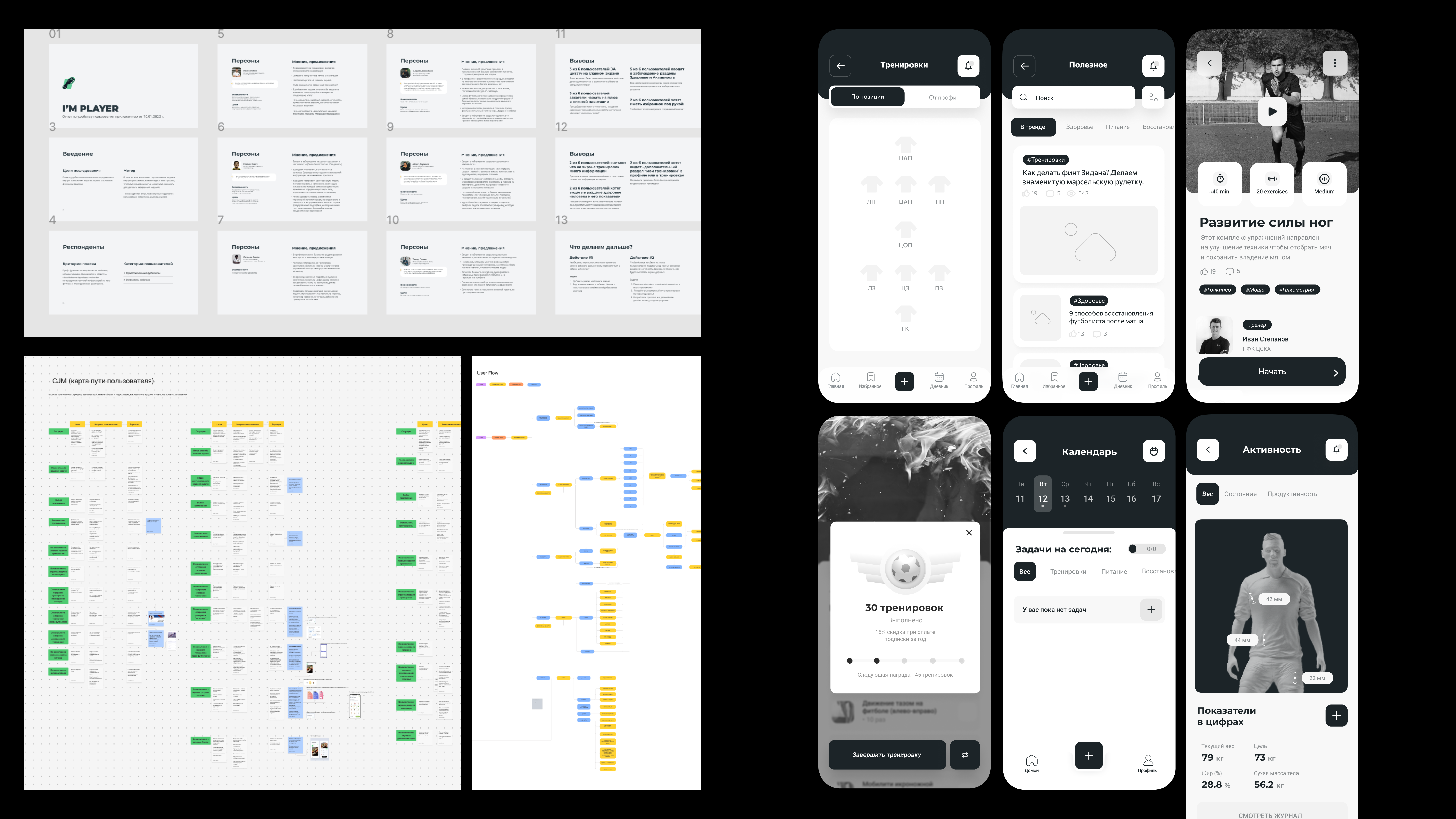
Task-specific materials: screen and funnel breakdowns, competitor analysis, User Flow and CJM maps, session recordings and summaries, hypothesis status and a final presentation.
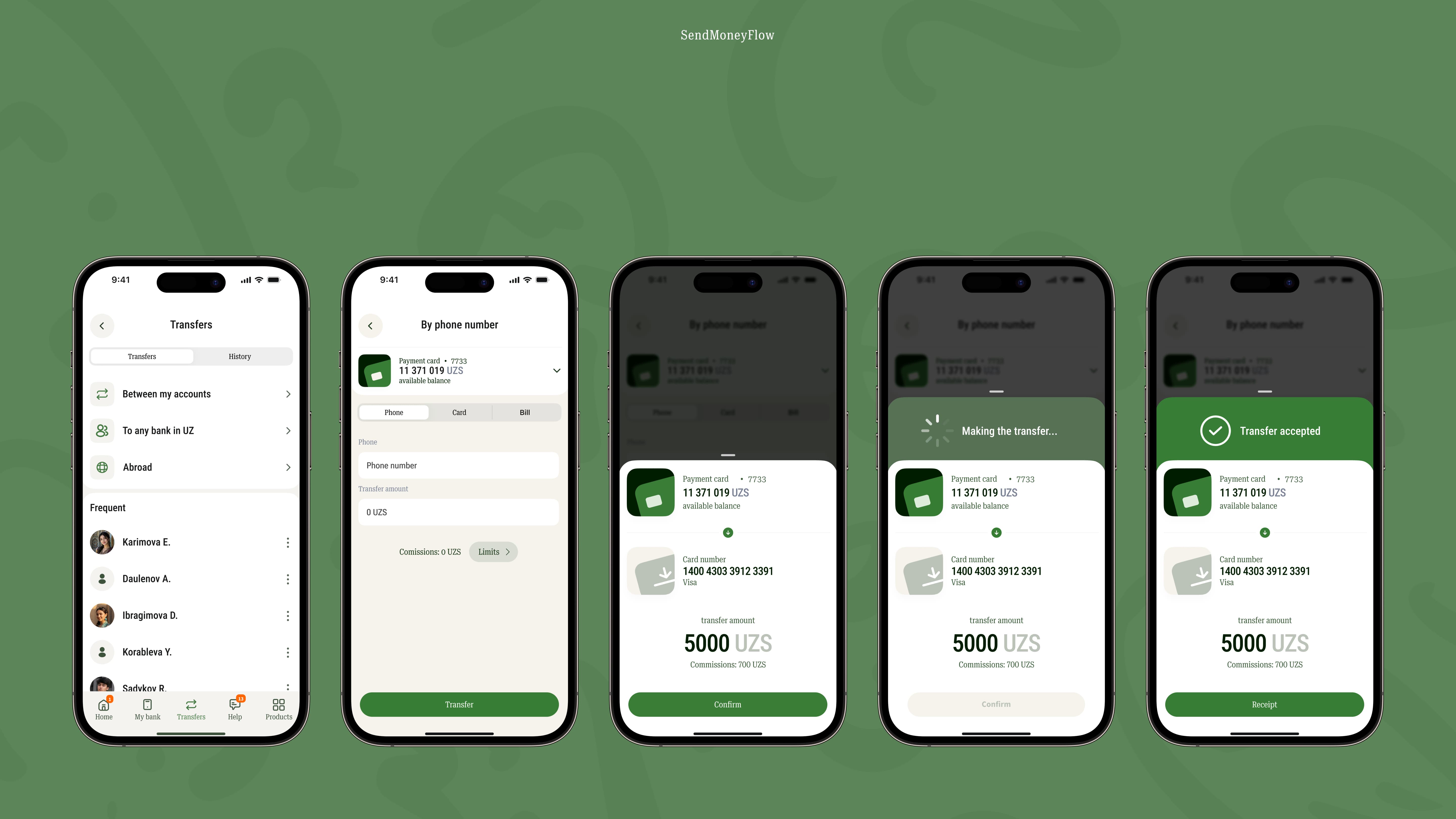
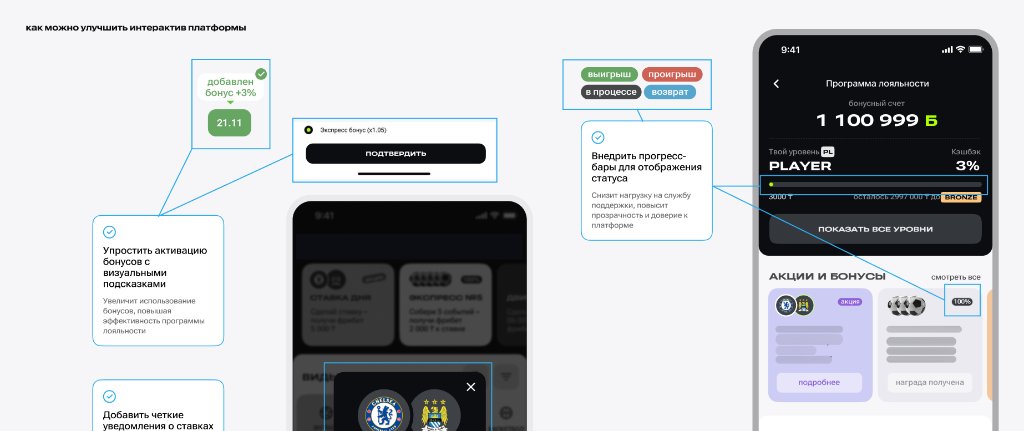
Draft layouts of key screens in Figma that visually demonstrate recommended interface changes.
Work format

Fixed price
We scope the task after the briefing and lock methods, sample, timeline and cost upfront.

Ongoing support
We bring in a team for regular research and ongoing product development.
Tell us about your product and the decisions you need to make. We will suggest methods and a work plan.